 Skip to content

If you paid an electricity bill using the wrong reference number, save the receipt and contact the payment provider promptly. Ask it to trace the destination and confirm whether any correction or reversal is possible. Also contact your electricity company about the intended account. A completed payment to a different account does not prove that your own bill has been settled.
Keep the original bill, the entered number and the transaction receipt together. This guide helps you report the destination error clearly, without promising a transfer, refund or particular recovery time.
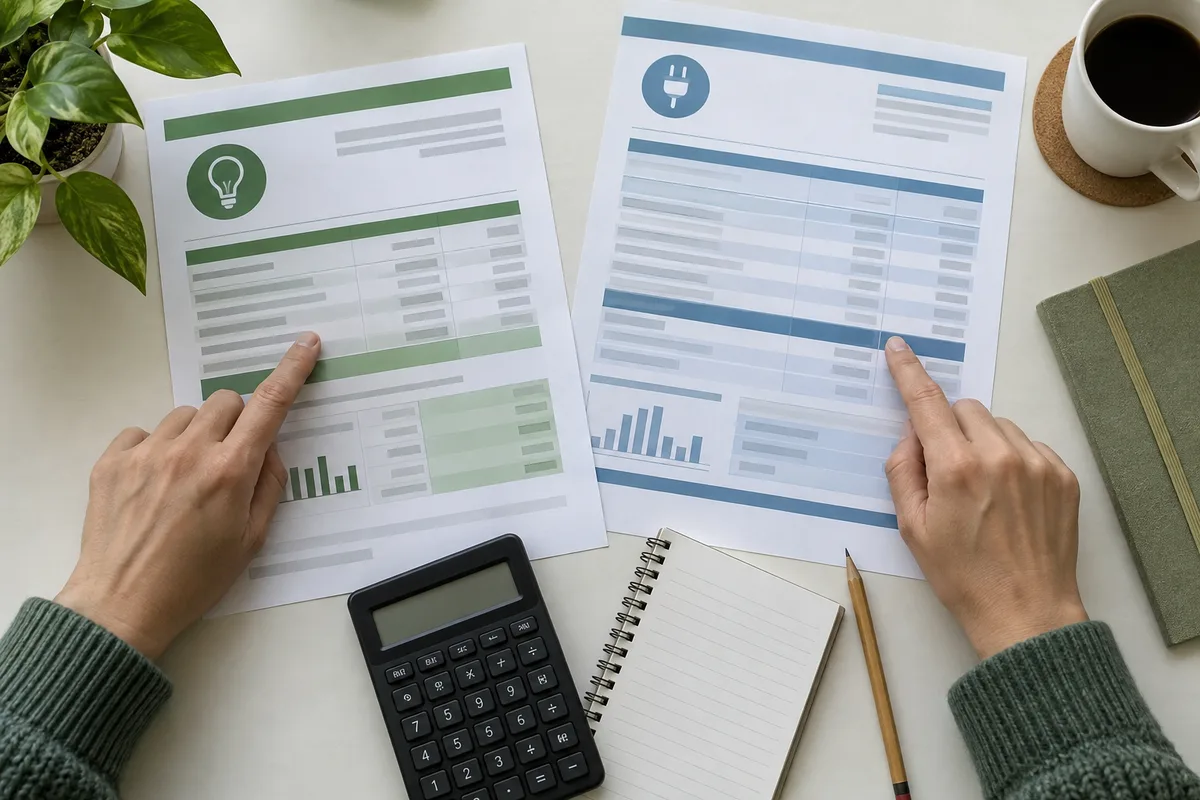
Check what the receipt actually identifies
Compare the electricity company, account identifier and any fetched consumer details with the bill you meant to pay. Start with the receipt rather than the saved payee’s nickname. A label such as “Home” may refer to a property you no longer occupy.
The official Easypaisa bill-payment guide describes choosing the company and entering the required consumer, account or reference number. Those are separate checks. A correct number entered under the wrong company, or a different saved account selected under the correct company, needs explanation from the payment provider.
Check that you are comparing the same type of identifier. A reference number and a customer ID can be different fields on the same electricity account. Match the field labels on the original bill, receipt and payment service; ask the provider to explain any difference. A mismatch between two different fields is not enough to establish that money reached somebody else’s account.
Record the status exactly. If the payment failed, stayed pending or was reversed, ask the provider what happened to the debit. That situation may need the deduction-without-payment checklist rather than a completed-payment correction.
Make a private comparison record
Put the intended details beside the receipt details. Use full identifiers only in your private records and the verified official complaint channel. The masked entries below are fictional and cannot be used to find a real account.
| Field | Intended bill | Payment receipt |
|---|---|---|
| Electricity company | Company printed on the bill | Company shown in the transaction |
| Account identifier | Masked example ending 2468 | Masked example ending 2486 |
| Property | Your current home | Different or unconfirmed details |
| Amount and month | Amount due for the intended month | Amount paid; month if shown |
| Payment evidence | Original bill | Receipt, date and transaction ID |
Write a brief explanation of how the error occurred, if you know: a transposed digit, an old saved payee, or the wrong property chosen from a list. If you do not know, say so. Do not accuse a counter agent of changing the number unless you have evidence.
Keep an untouched copy of the receipt. A second copy can have unrelated banking information hidden, but do not change the entered number or transaction details to make it resemble the intended payment.
Contact the payment provider and supplier
Contact the bank, wallet or authorized collection channel that processed the transaction. Use the support link inside its official app or website. JazzCash’s official contact page, for example, lists complaint routes. Tell the provider that you are reporting a payment-destination error and supply the transaction record.
Ask it to confirm the final status and destination, whether any recovery or correction process applies, and what documentation that process requires. If it refers you to the electricity company, request a written trace or confirmation you can pass on.
Next, contact the supplier using the details printed on the bill or its official service page. Ask which office can investigate a payment posted against a different reference and whether it needs confirmation from the collecting provider. Keep both complaint numbers, even if the two organizations cannot share one case reference.
You can write: “I intended to pay the attached electricity bill, but the receipt shows a different account identifier. Please trace transaction [ID] dated [date] for [amount], confirm the destination, and explain the available correction process. Please also confirm the payment position of my intended account.” Replace the brackets only when submitting privately.

Keep your own bill deadline in view
Check the intended account separately. Ask the supplier what remains payable and what instructions apply while the mistaken-payment case is open. Filing a complaint should not be treated as permission to miss the due date.
If the provider says a transfer or adjustment is being considered, ask whether it has actually been approved and posted. A possibility discussed by support is not yet a payment against your account. Keep any written payment instructions and compare them with the latest bill.
For a near-due or overdue bill, contact the company promptly rather than waiting for an unconfirmed refund. Our after-due-date guide explains the checks to make; the supplier must confirm the current payable amount for your account.
Check the result before closing the case
If the provider reports a reversal, locate the returned amount in your bank or wallet. If the supplier approves a correction between account records, request confirmation showing what reached your intended account. Keep the original receipt and the correction record together.
A wrong-reference case may involve another consumer’s information. Do not publish that person’s bill, seek their private contact details or pretend to be the account holder. Let the bank and supplier handle the account investigation through their authorized processes.
Never share a full CNIC, bank account number, electricity reference or unredacted receipt publicly. Supply necessary documents privately to the verified provider. Nobody needs your banking password, PIN or OTP to read the complaint you have written.
Frequently asked questions
Can a completed electricity payment be reversed?
Ask the payment provider about your specific transaction. The sources reviewed do not establish a universal right to reverse a successful wrong-reference payment.
What if I paid my old property’s bill?
Explain that the saved payee refers to a former property. Ask for a trace and the available correction process; do not assume ownership of that current electricity account.
Does a similar amount mean I paid the right account?
No. Compare the supplier and correct account identifier. Similar amounts can occur on unrelated bills.
What if a payment counter entered the wrong number?
Keep its original receipt and the bill you provided. Ask the collection channel to investigate what it entered, and obtain a complaint reference.
What if the receipt hides most of the number?
Ask the provider to confirm the destination through its private support process. Do not guess the missing digits or use public lookup attempts to identify a stranger.
Editorial note and sources
Prepared and reviewed 1 October 2026. Independent, AI-assisted guidance from BijliBills. Official Easypaisa payment instructions and JazzCash contact information are linked above. The table is fictional; no payment reversal or account transfer was tested. Providers must confirm eligibility, documents and the outcome for an individual transaction.