 Skip to content
For electricity bill history, start with the history section on your current bill and the account services offered by your supplier. A public duplicate-bill page may show only the current issued bill; it should not be assumed to provide a downloadable archive of every previous month.
There are three different records readers often mean by ‘bill history’: past consumption, past charges, and past payments. Decide which one you need before looking for a download button.
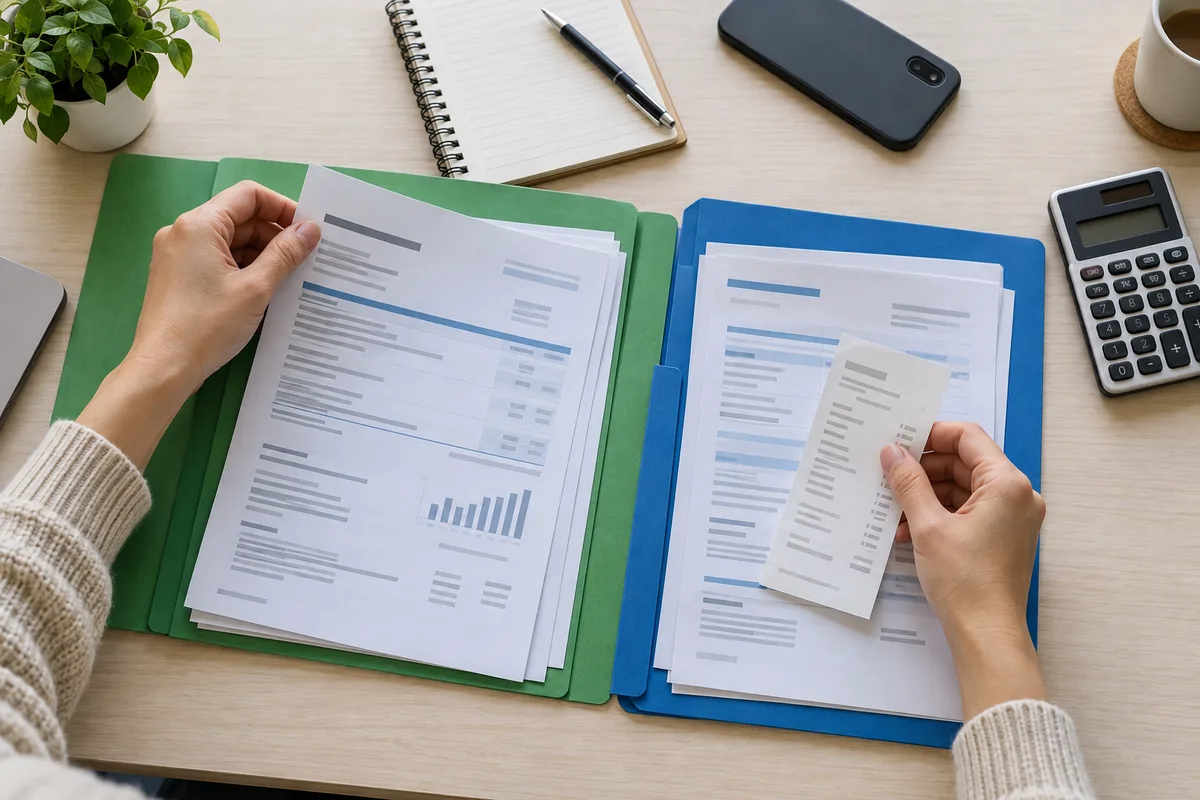
What each record can answer
| Record | Typical question it helps answer |
|---|---|
| Consumption history | Did this year’s summer usage increase? |
| Original monthly bills | What charges and tariff appeared in a particular month? |
| Payment history and receipts | When was an amount paid and against which account? |
A row showing units is not a complete copy of the original bill. A payment receipt is not a breakdown of the electricity consumed. Keep those distinctions in mind when preparing records for a landlord, household budget, or billing complaint.
Start with your current electricity bill
Open the latest bill through the correct company. Look for the consumption or billing history table. MEPCO’s 2024 annual report describes bills carrying a 12-month consumption and payment history. The exact fields and presentation should be checked on the bill currently issued to your connection.
For a MEPCO account, use our MEPCO bill guide to reach the bill. Save the whole document, not only the amount payable at the top.
Look for an official customer account service
Some suppliers offer additional history through an authenticated customer account or app. K-Electric introduced bill access and account features through KE Live and its web portal. Follow the current links from the company website and check which history is available for your account.
Do not enter your banking password into a bill-history website. Utility account registration and a bank login are separate services. If an app requests account verification, complete it only through the supplier’s official channel.

When you need an older original bill
Check your email, Downloads folder, printed files, and any official e-bill messages first. If the original month is unavailable online, ask the supplier whether it can provide a copy or an account statement for the required period.
State exactly what you need: ‘the complete bill for March 2026’ is clearer than ‘all history’. Include your account identifier privately and explain whether a consumption table or a payment statement would also meet your purpose.
Do not change a date in a saved PDF to recreate a missing bill. A household spreadsheet can summarize records, but it should be labelled as your own summary rather than an official document.
Build a useful monthly sheet
Use one row per bill with columns for reading dates, units, current charges, adjustments, arrears, total payable, due date, and payment reference. Add a link or filename for the original bill and receipt.
Compare similar periods. A longer billing interval, a new tenant, or extra appliance use can explain a change that would otherwise look like a tariff problem. For seasonal comparisons, last September may be more useful than last month.
Our PDF download guide helps preserve the original document. The paid-status guide explains what to check when a receipt and account history disagree.
Sources: MEPCO Annual Report 2024, K-Electric’s KE Live announcement.
Frequently Asked Questions
Can I download every previous bill online?
Not necessarily. The available archive depends on the supplier and service. A current duplicate-bill page may not provide a separate file for every earlier month.
Is the history table the same as an archive?
No. A table of past consumption or payment figures is a summary; it may not include the complete original charges and document for each month.
Where should I look for older bills first?
Check your saved files, email records and the supplier’s official account service. Ask the supplier about its available historical records if the document is missing.
Can a current bill show earlier consumption?
Some bills include a consumption-history table. Read its headings and dates carefully rather than assuming every displayed figure is a previous complete bill.
Can I use banking history as bill history?
Banking history records payments, not necessarily the full electricity charges or readings. Keep payment records alongside bills instead of substituting one for the other.
What is a sensible monthly file name?
Use company, account label, year and month. For example, Home-IESCO-2026-09-bill.pdf is easier to distinguish from a payment receipt or another property’s bill.
Should I store bills and receipts in one file?
You can keep them in the same monthly folder, but give each a distinct name. This preserves the difference between an amount requested and evidence of payment.
How can I compare electricity use across months?
Compare units and reading intervals, not totals alone. Note changes in occupancy, appliances and the number of days covered before drawing conclusions.
Why can the same units produce different totals?
Rates, fixed charges, adjustments, taxes and arrears can change the total. Keep those components separate when reviewing the history.
Does a missing month mean no bill was issued?
No. It may be an archive or recordkeeping gap. Ask the supplier to confirm the billing record instead of interpreting a missing file as a zero obligation.
How should I record an estimated reading?
Keep the bill’s actual label and note that it was estimated. Do not silently replace the supplier’s figure with your own estimate in the original record.
What if I have two versions of the same bill?
Retain both and label the corrected version clearly. Keep the supplier’s explanation so the change can be understood later.
Can tenants ask for earlier records?
Ask the account holder or supplier about authorised access. Do not use another person’s login or assume you are entitled to unrelated occupancy records.
How should I handle a meter replacement in the history?
Record the replacement date and old and new meter identifiers. Separate their readings so a changed meter does not appear to be a sudden consumption reset.
What if the billing reference changes?
Keep a note connecting the old and new references using supplier confirmation. Preserve old files rather than renaming them in a way that hides their original account details.
Can an app notification replace a full receipt?
It may omit the final status or account details. Keep the complete provider-issued receipt where available, particularly for a payment dispute.
Should I upload my history to public comments?
No. Bills and receipts can reveal account details, addresses and transaction information. Share only necessary evidence with authorised parties.
How long should I keep historical records?
Choose a period appropriate to your household, tenancy, business or tax needs and any applicable requirements. This guide does not prescribe a universal legal retention period.
How can I avoid losing next month’s bill?
Save a complete PDF when issued, add the receipt after payment, and keep a secure backup. Check that the backup opens rather than relying on the file name alone.
What should I ask when requesting an old bill?
Specify the authorised account, exact month or period and the document needed. Distinguish a duplicate bill from a payment statement or consumption summary.
Related Guides
- Download an Electricity Bill as PDF on Mobile or Computer
- Electricity Bill Paid Status: What Counts as Payment Confirmation?
- ENC Demand Notice: Print, Pay, and Upload the Right Document
Background reading: Receipt on Wikipedia. This explains the general subject; the supplier records and source notes above govern account-specific checks.
Source review: 10 September 2026. Prepared with AI-assisted drafting and checked against the sources named in this guide. BijliBills is an independent information website. The supplier’s current bill, tariff notification, and account instructions take priority.