 Skip to content
A sanctioned load extension is a request to increase the capacity approved for your electricity connection. It is different from using more monthly units. Before adding substantial equipment, ask your supplier and a qualified electrical professional whether your approved load, wiring, protection, and metering arrangement are suitable.
Do not change the meter, service cable, or supplier’s protection equipment yourself. A higher-capacity appliance does not make the existing connection automatically suitable for it.

kW and kWh answer different questions
kW describes power or demand. kWh describes energy used over time, commonly called units on a bill. A household can have a short period of high simultaneous demand while using a moderate number of units over the month.
For illustration, equipment drawing 4 kW for half an hour uses 2 kWh. That example explains the units; it is not an assessment of whether a particular connection can supply the equipment safely.
Find the sanctioned-load field on your current bill before discussing an upgrade. Do not substitute a monthly consumption figure for it.
Prepare an equipment list
List the equipment being added, its nameplate rating, and which items may run at the same time. Note any motor, pump, air-conditioner, or other equipment with starting requirements that a professional should assess.
| Information | Why it helps |
|---|---|
| Existing sanctioned load | Establishes the recorded starting point |
| Proposed equipment | Explains why the change is requested |
| Simultaneous use | Helps assess demand rather than only monthly energy |
| Existing meter and tariff details | Identifies possible metering or tariff implications |
| Property and account documents | Connects the request to the correct consumer record |
This is a preparation list, not a substitute for a wiring test or engineering assessment.
Documents and official costs
Section 2.14 of MEPCO’s revised 2025 Consumer Service Manual lists a test report, paid-bill and identity records, and a supply contract for load changes. It also addresses applicable capital costs and security-deposit updating. Obtain the current checklist and calculation from your own supplier.
Do not assume an upgrade has one fixed nationwide price. Existing infrastructure, the requested change, and the applicable company procedure can affect what is required.
Follow the correct application route
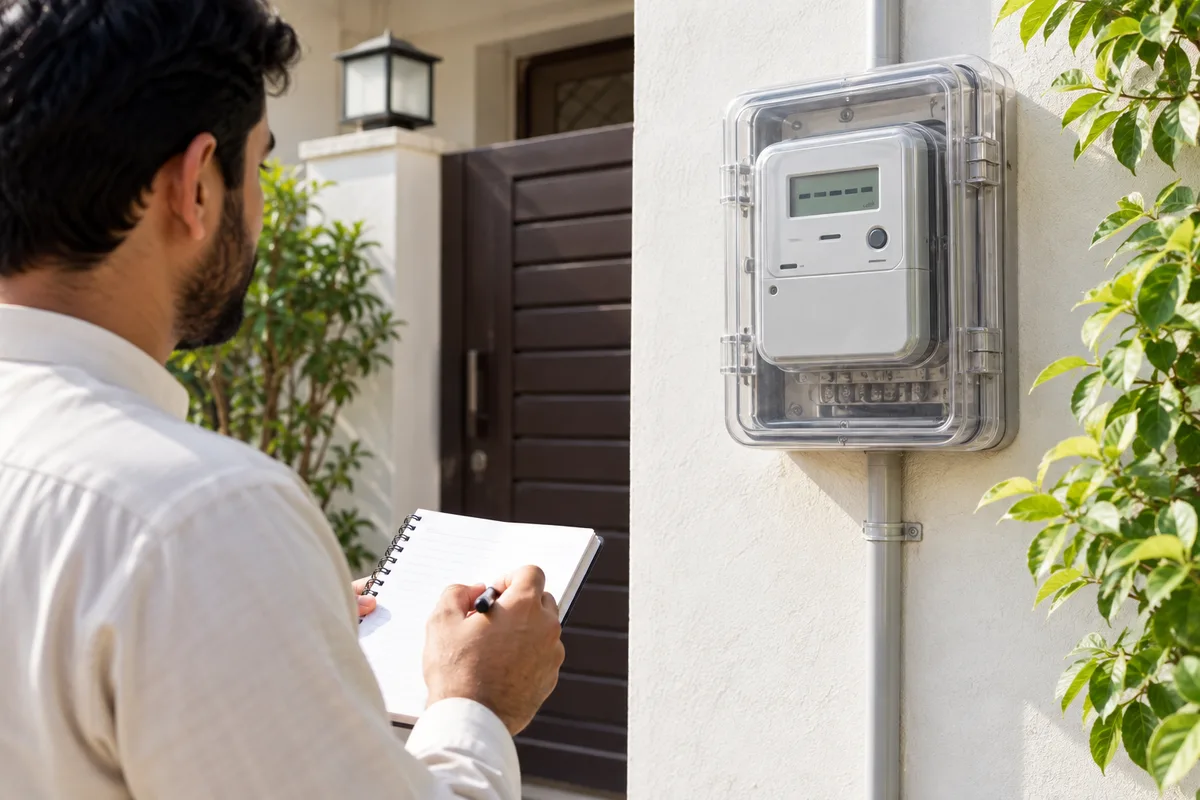
Use the company website or customer facilitation centre. Read the ENC homepage notices before starting because some companies use separate routes. Avoid staff-login screens intended for company officers.
Retain the application reference, submitted documents, and any demand notice. Pay only through the official instructions provided for the case. A payment receipt does not replace approval or confirmation that the required work is complete.
Ask about the next bill before proceeding
An increase in recorded load can affect more than the connection paperwork. Ask whether the tariff category, TOU arrangement, or fixed-charge basis will change. Request the applicable tariff reference rather than accepting a rough monthly bill promise.
After completion, compare the new sanctioned load, meter details, and tariff on the next bill with the approval. If they differ, report the discrepancy with the case reference.
Our fixed-charge guide explains the difference between load-based charges and energy charges. The TOU guide explains separate peak and off-peak consumption if that arrangement applies to your account.
Sources: MEPCO Consumer Service Manual, revised November 2025, section 2.14, ENC routing notices.
Frequently Asked Questions
What is sanctioned load?
It is the capacity approved and recorded for an electricity connection. It is not the number of units consumed during a month.
What does a load extension change?
It requests an increase in approved capacity. The supplier must assess the application and any required changes to supply, metering or account records.
Does buying an air conditioner increase my approved load?
No. Buying equipment does not change the supplier record or establish that the existing installation can supply it safely.
Where can I find the existing load?
Look for the sanctioned-load field on the current bill or connection approval. Ask the supplier if the field is absent or conflicts with your documents.
Are kW and kWh the same?
No. kW measures power, while kWh measures energy used over time. A monthly consumption figure cannot replace a capacity assessment.
Why does simultaneous appliance use matter?
Several appliances operating together can create higher demand than the same appliances used at different times. A professional should assess the proposed operating pattern.
What equipment details should I prepare?
List equipment types, nameplate ratings and likely simultaneous use. Include motors or pumps so starting requirements can be considered by a qualified professional.
Can I assess wiring capacity from the bill alone?
No. A bill is an account record, not an inspection of wiring, protective devices or the installation condition. Arrange an appropriate professional assessment.
Which documents may be required?
The cited service manual lists a test report, paid-bill and identity records, and a supply contract for load changes. Obtain your own supplier’s current checklist.
Is there one nationwide upgrade price?
No fixed price is established by this guide. Ask for the official calculation covering your requested change and any infrastructure or security-deposit requirements.
Can the security deposit change?
It may require updating under the applicable procedure. Request the supplier’s calculation and keep the issued notice and payment receipt.
Where should I apply?
Start with your supplier’s website or customer facilitation centre. Follow the current company-specific route rather than selecting an unrelated company on a general portal.
Should I use an officer-login page?
No. Staff screens are not a substitute for the customer application process. Ask the supplier which customer-facing form applies.
Does paying the demand notice mean the upgrade is complete?
No. Payment, approval and physical work are separate stages. Obtain confirmation that the required work and account changes have been completed.
Can I change the service cable myself?
Do not alter supplier equipment, meter seals or service protection. Required work must follow the supplier’s authorised process and appropriate professional safety arrangements.
Will a load increase affect my tariff?
It may affect the applicable arrangement, depending on the category and approved change. Ask about tariff, TOU metering and fixed charges before proceeding.
Will the next bill definitely be lower?
No. Increased capacity is not a bill-saving guarantee. Energy use and any changed fixed-charge or tariff conditions affect the eventual bill.
How long will approval take?
Obtain the current stage and expected next step for your application from the supplier. This guide does not promise a universal completion period.
What should I check after completion?
Compare the approval with the next bill’s sanctioned load, tariff and meter details. Report discrepancies using the application reference and supporting documents.
What if I later need less capacity?
Ask about a formal load-reduction application and its effects. Switching off appliances does not itself change the approved load recorded on the account.
Related Guides
- Electricity Bill Fixed Charges: Sanctioned Load and MDI Explained
- Peak and Off-Peak Units: Read a TOU Electricity Bill Correctly
- Meter Replaced? Check the Old and New Readings on Your Bill
Background reading: Electric power distribution on Wikipedia. This explains the general subject; the supplier records and source notes above govern account-specific checks.
Source review: 10 September 2026. Prepared with AI-assisted drafting and checked against the sources named in this guide. BijliBills is an independent information website. The supplier’s current bill, tariff notification, and account instructions take priority.